
What Holds, Sevenmarks Gallery, Kiama, NSW
15 May - 20 June 2026
We hold tension.
We hold space.
We hold our breath.
We hold precious things to bring them close.
Quietly monumental works fill the gallery, leading us into the practice of artist Isobel Rayson. Her eye is cast to the natural world as she captures the dark forms and lingering lines of limpet shells, cocoons, and loosely wandering nets. Shapes are ambiguous, awash in feather greys and velvet blacks, they could be the contours of inky maps or dreamscapes behind your eyes.
Scale shifts from the monumental to the infinitesimal. An enlarged cocoon expands to be like a floating mountain, its vastness articulated in finely etched lines. Spaceless, the background is flecked with ink, sinking into the tooth of paper. If we peered closer, we might see the sheerest cliff face in the smallest rock, the cellular in the expanded field. From sculpture to works on paper, bronze to ink, Rayson creates slow, expansive silhouettes that fill your periphery, creating a field of immersive architecture. These structures are ones that hold, cradling small, shy lives in hollows, lifespans running parallel to our own. They are structures created by the elements, through gesture, they coexist to fill a need, but also to express an internal space.
Rayson’s practice explores time spent and time felt. She pauses as she walks. She gathers and observes as she moves through scrubby bush and stretching coastline. Walking on wet sand, wave patterns pushing shell and rock, small cornucopias and glittering clusters. She collects these stones, soft meteorite-like sponges, and tangled nests of kelp. Her pencil line on paper, both articulating and protecting the secret voids of watery homes and dry seeds. She protects their interiors, she asks you to consider their small, quiet secrets with a sense of stillness as the fleck and repetition of her line imprints the paper.
Over time, the objects she collects evolve, reinterpreted through her hands. As she casts in wax, draws and marks, twists and knots, she works over the course of months, moving simultaneously across multiple works. Thin lines mark square by square, slowly gathering to form a grid floating in space, echoing the tensioned black raffia tied as each segment sequences together. She loosely sketches outlines, then builds over time as smaller parts form a whole. Repetition through marks and mirrored shapes form a kind of echo, an imprint, or a companion. This idea of the repeated self, the twin, or the shadow moves through the works in this exhibition, like the positive and negative, black and grey, the hidden and the visible.
She works through the surfaces of things, creating successive layers of ink through repeated application. Painted ply is carved back to reveal the knots in the wood resurfacing through the grain, like a birthmark on the skin. Each mark is an accumulation of gesture. She builds forms through mark making, feeling their outside to express a depthless internal state. The open claw from the branches of a tree or the square windows of a net hold the air. These forms are moulded by wind and water to withstand and to catch, to hold and let go. Her lines, fine and rhythmic, trace like fingerprints, a transference through touch. For Rayson, making is an act of knowing.
Whilst these works express ideas of containment, they are also natural architectures of resilience. What holds in the face of a storm or a rage of water? Seemingly small and fragile, the spiny edges of a she-oak tree meet the whip of the wind. The cocoon weathers the rain, holding tight against water droplets that fall like weighted glass boulders. What are the borders of yourself? When you close your eyes and stretch your arms, can you feel the vastness of open water? What are the limits of immensity before a watershed breaking moment…do our bodies remember like growth knots of a tree, lines tracing drought and abundance?
What Holds asks us to consider expressions of being, as well as what grounds or shapes us. Rayson’s works catch a sense of the infinite in the smallest of moments. In the depths of these works lies a quiet stirring resonance. We cocoon ourselves, we hold ourselves, heart in hand, breath to steady the nerve. Our bodies, externalised structures of experience and gesture; of feeling and knowing as we stretch and contract from moment to moment.
We hold.
Time passing.
Time felt.
We hold.
— Rosalind Lemoh, 2026
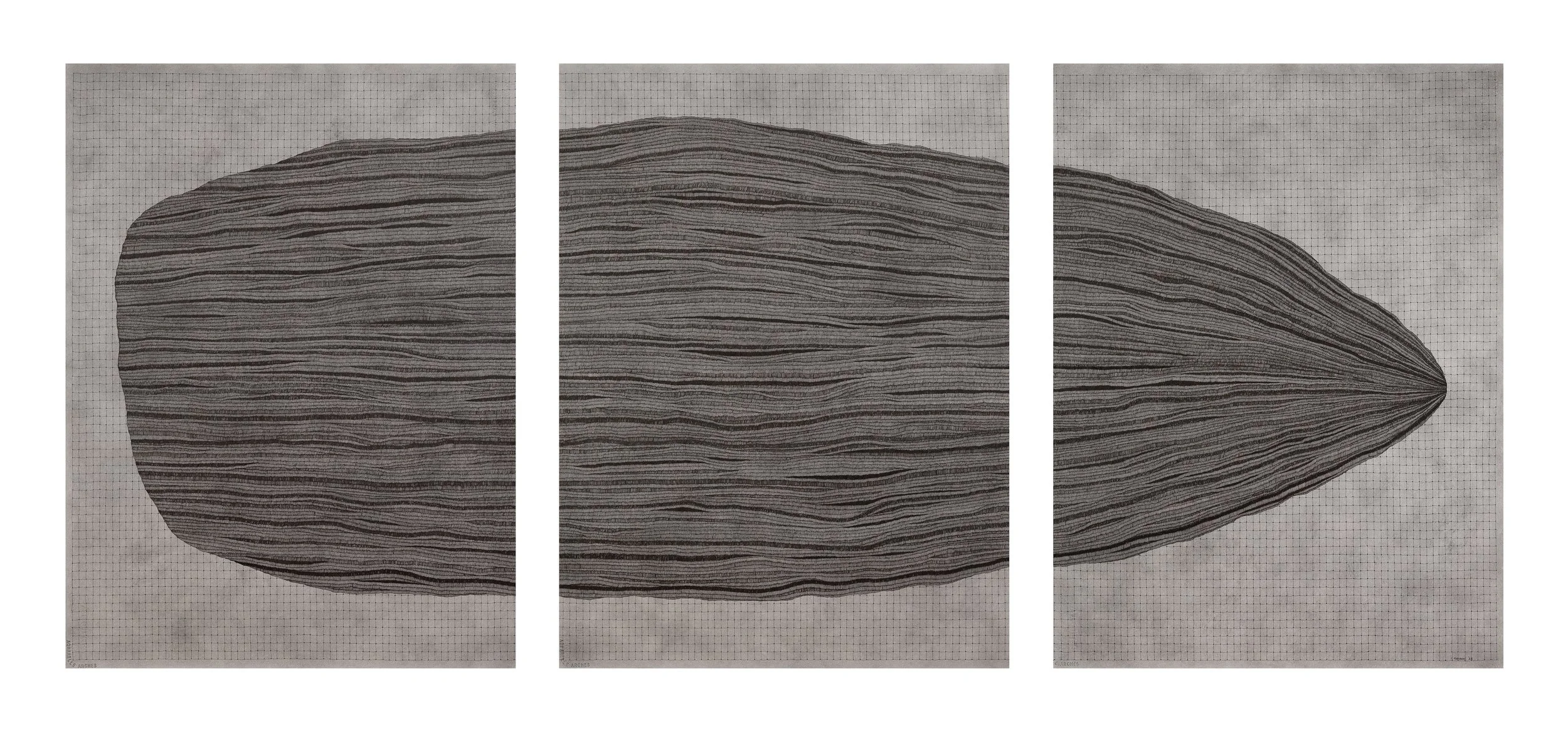
Quietly Adrift, 2025, Pigma Micron pen and black Indian ink on 300gsm Arches watercolour paper, triptych, 91cm x 71.5cm each, framed
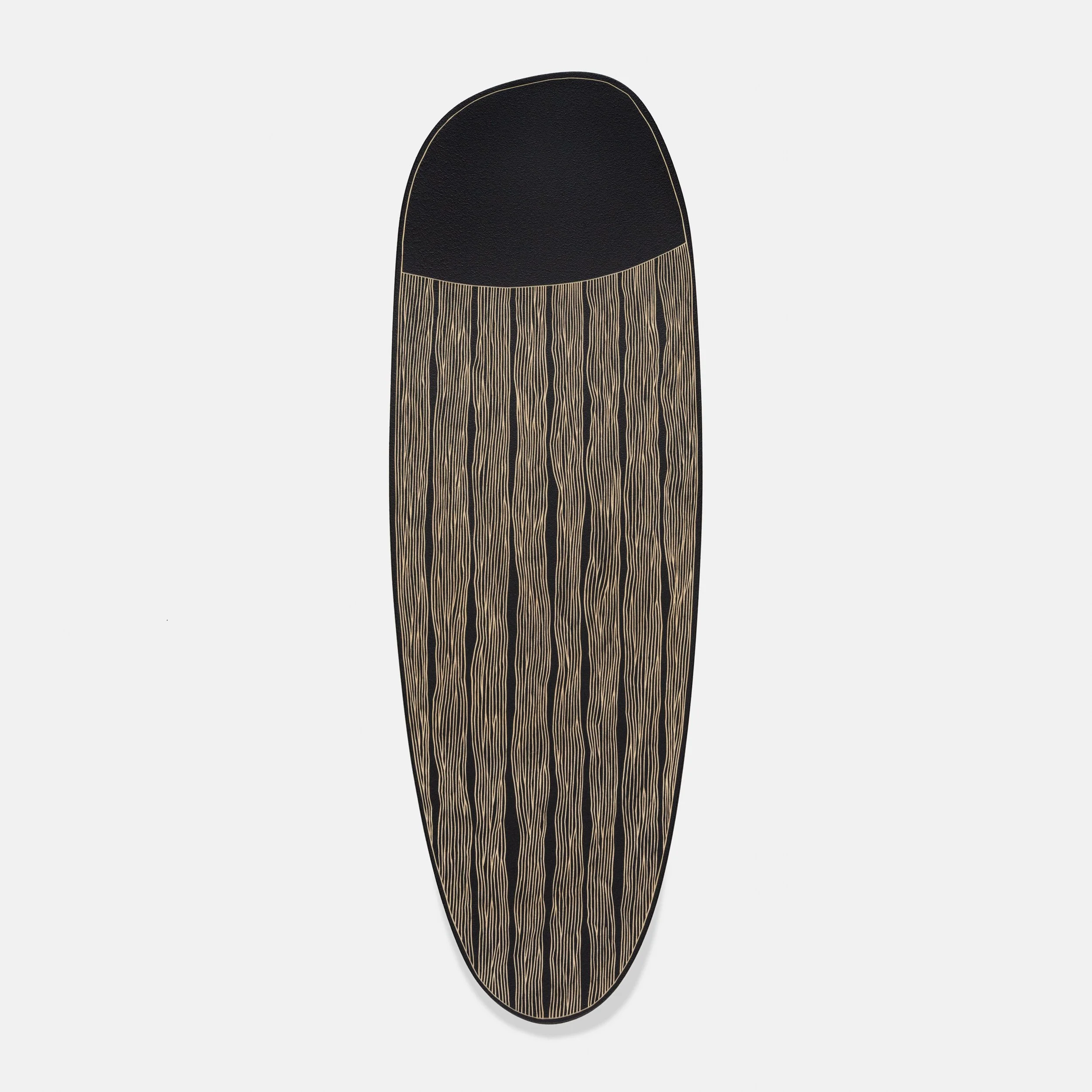


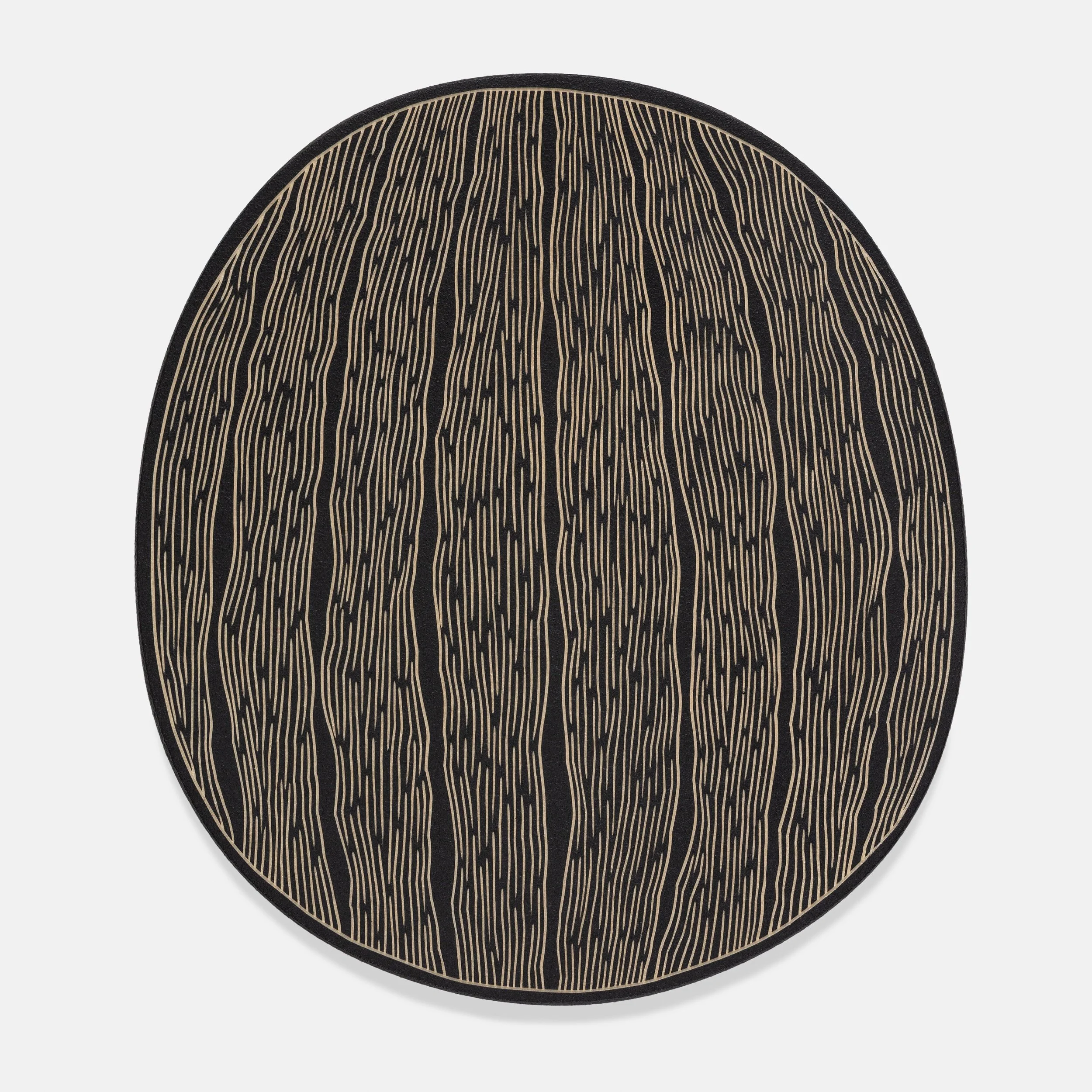
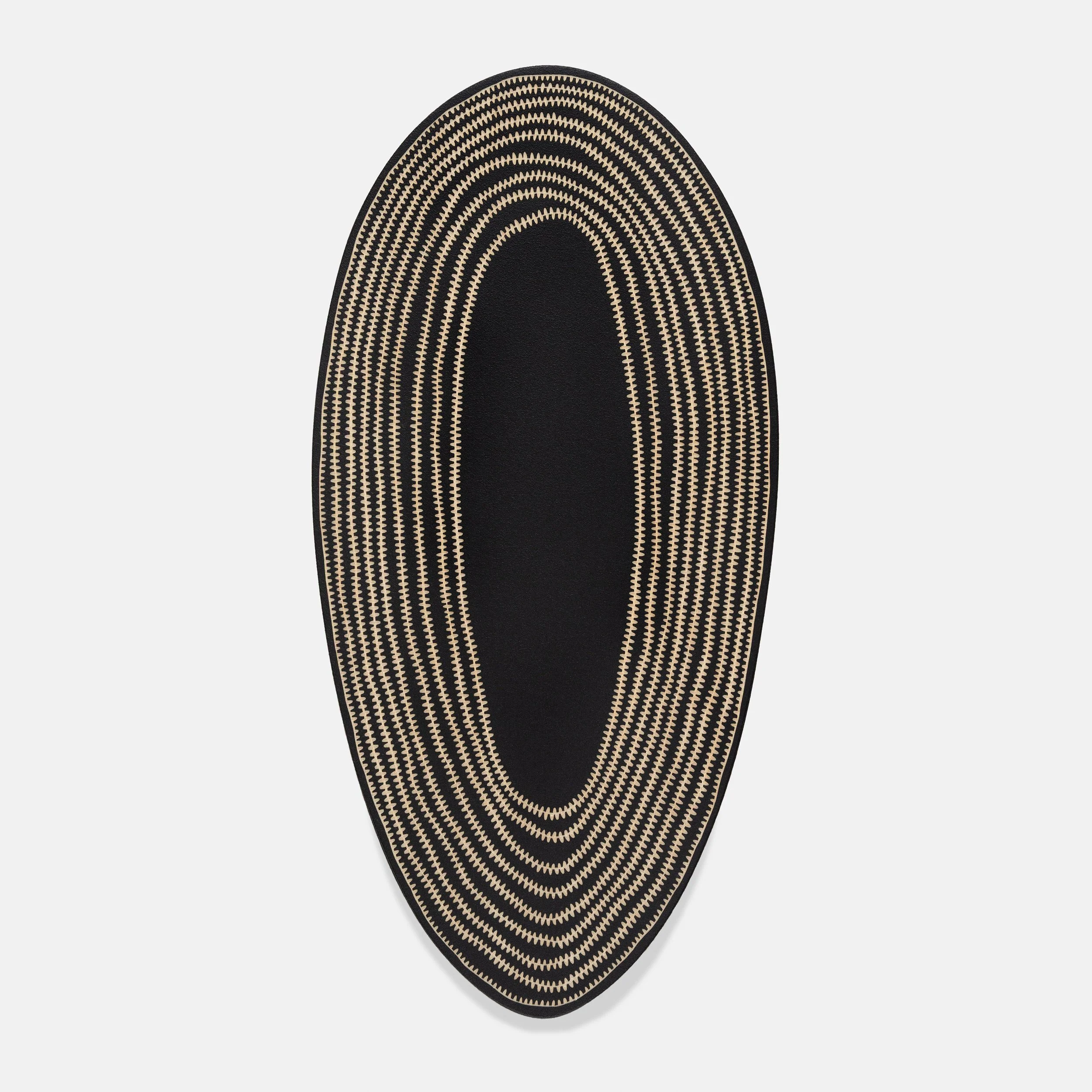


Small Encounters (1 - 15), 2026, relief wood carving, various dimensions (smallest 15 × 13.4 × 1.9 cm, largest 39.7 × 10.7 × 1.9 cm)
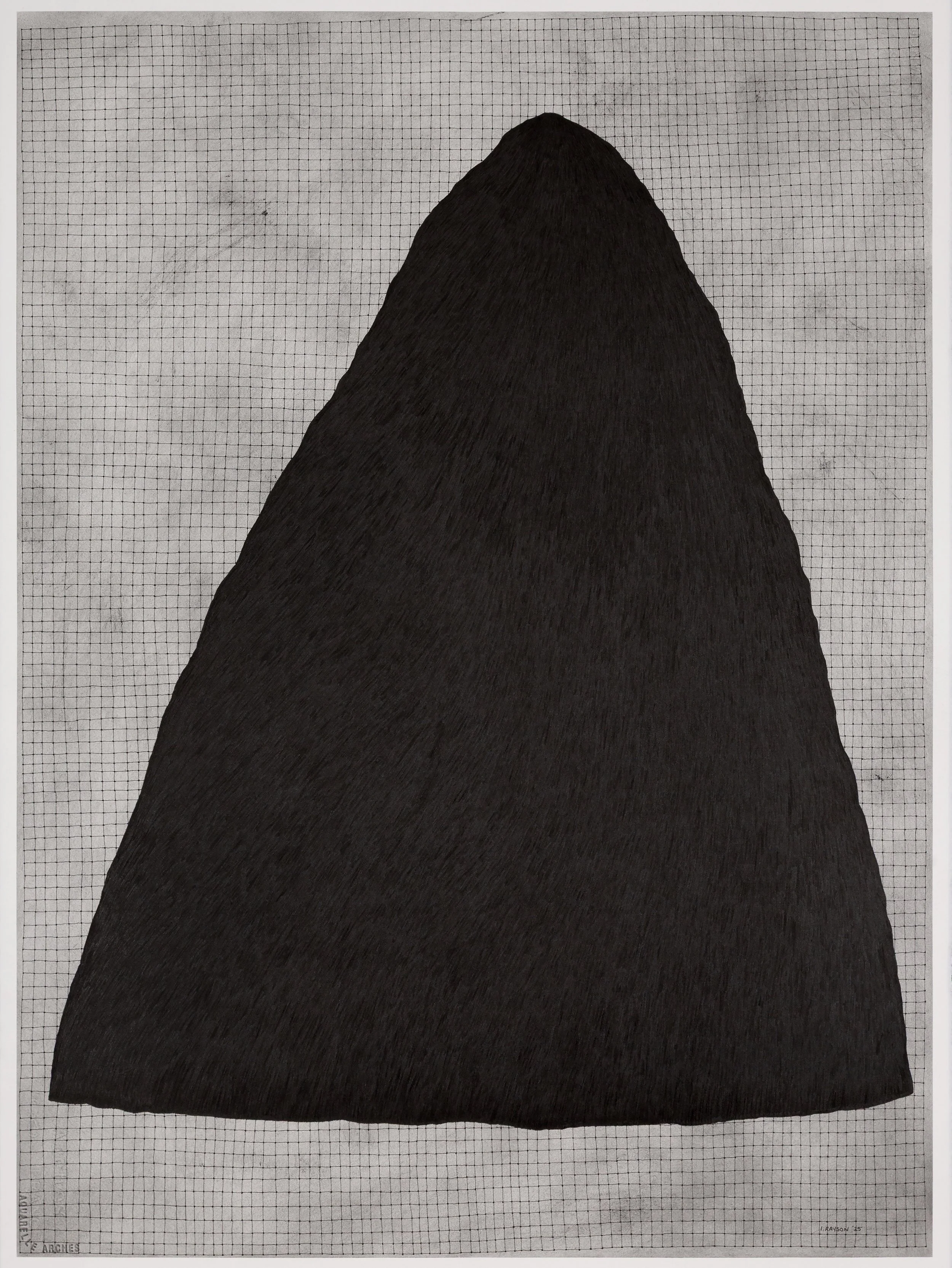

Tethered, 2025, Pigma Micron pen and black Indian ink on 300gsm Arches watercolour paper, diptych, 91cm x 71.5cm each, framed

Tender, 2026, relief wood carving, 42.3cm x 42.3cm, framed in Tasmanian oak

Exhale, 2026, relief wood carving, 42.3cm x 42.3cm, framed in Tasmanian oak

Whisper, 2026, relief wood carving, 42.3cm x 42.3cm, framed in Tasmanian oak
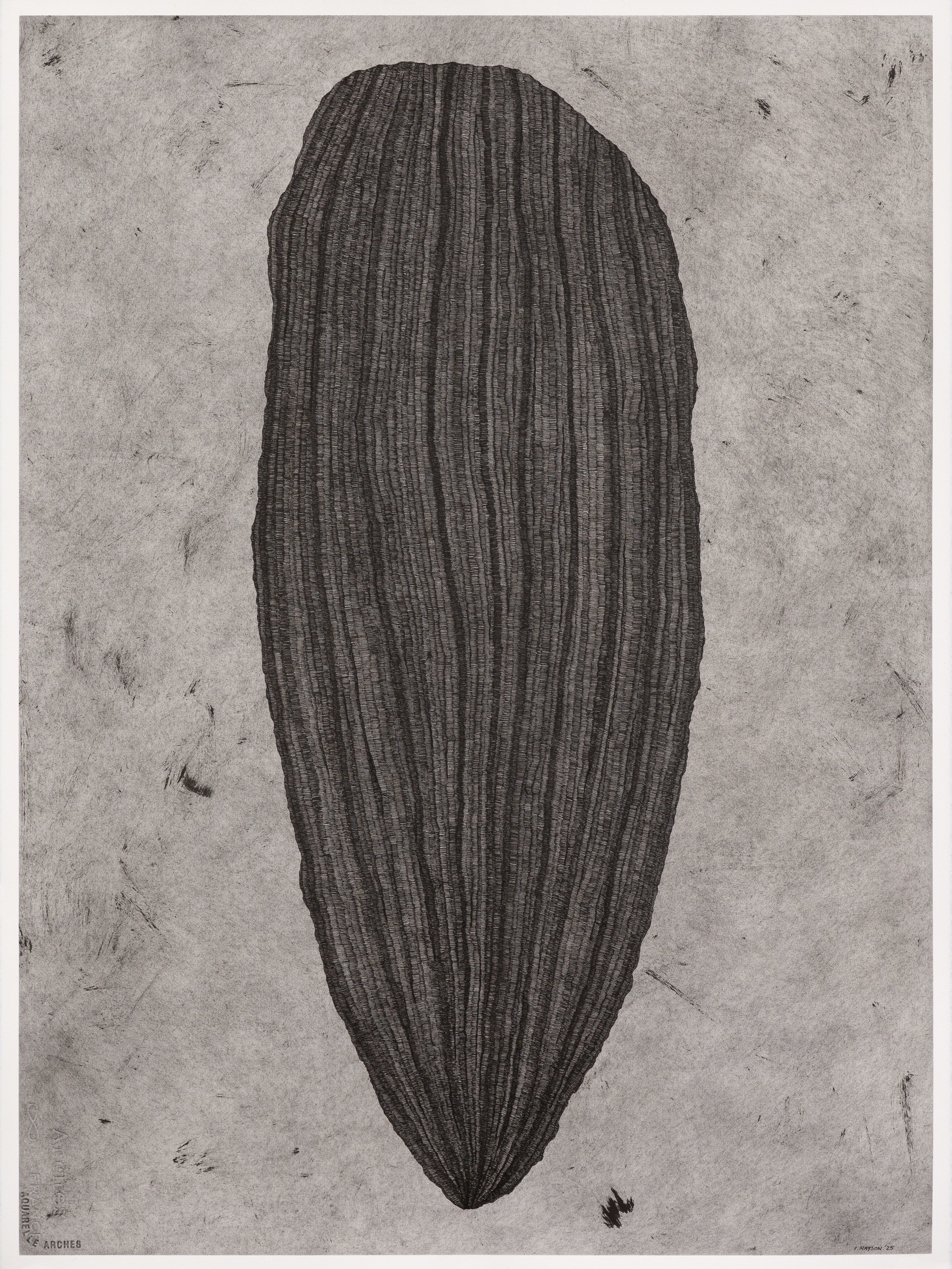
Enclosed, 2025, Pigma Micron pen and black Indian ink on 300gsm Arches watercolour paper, 89.5cm x 70.5cm, framed


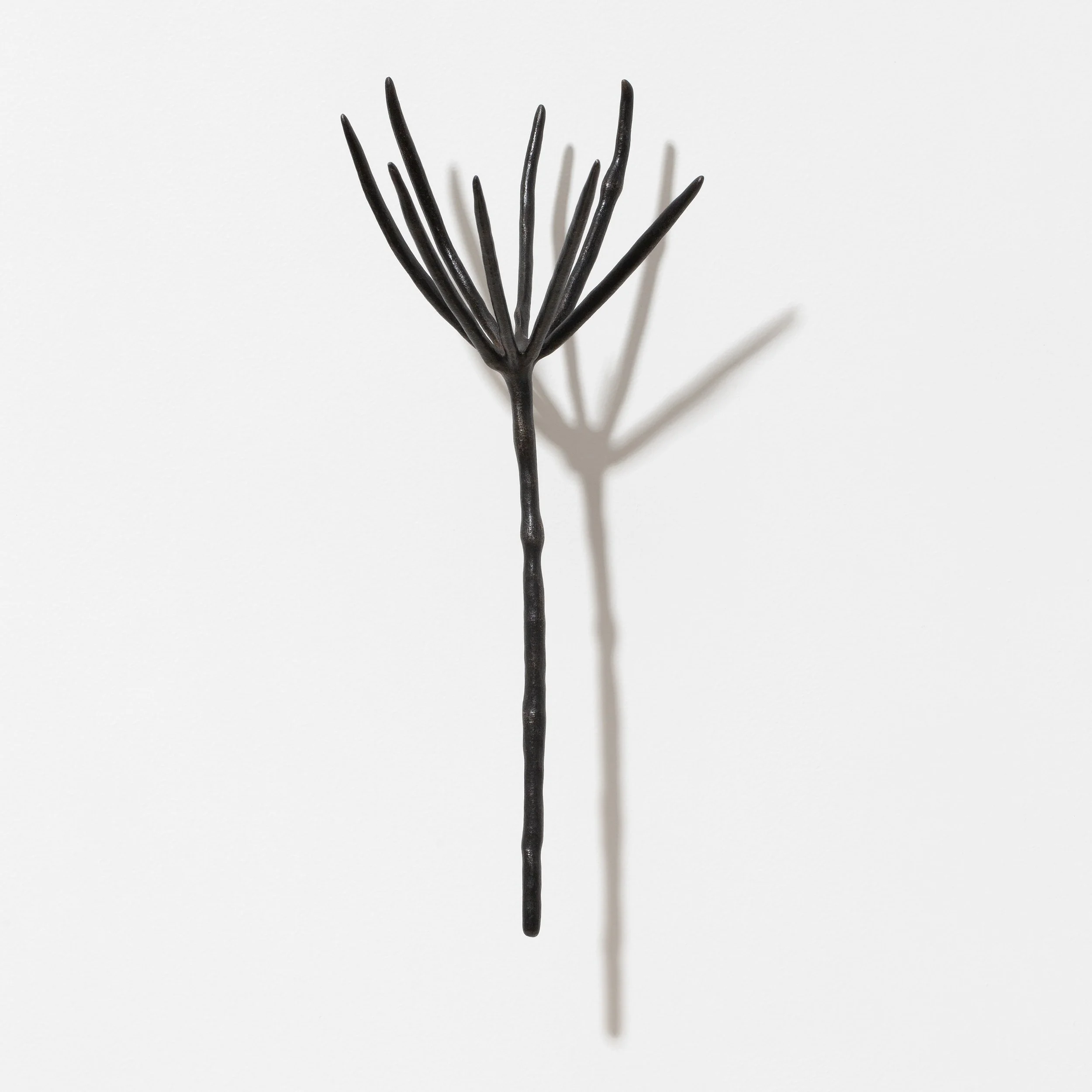

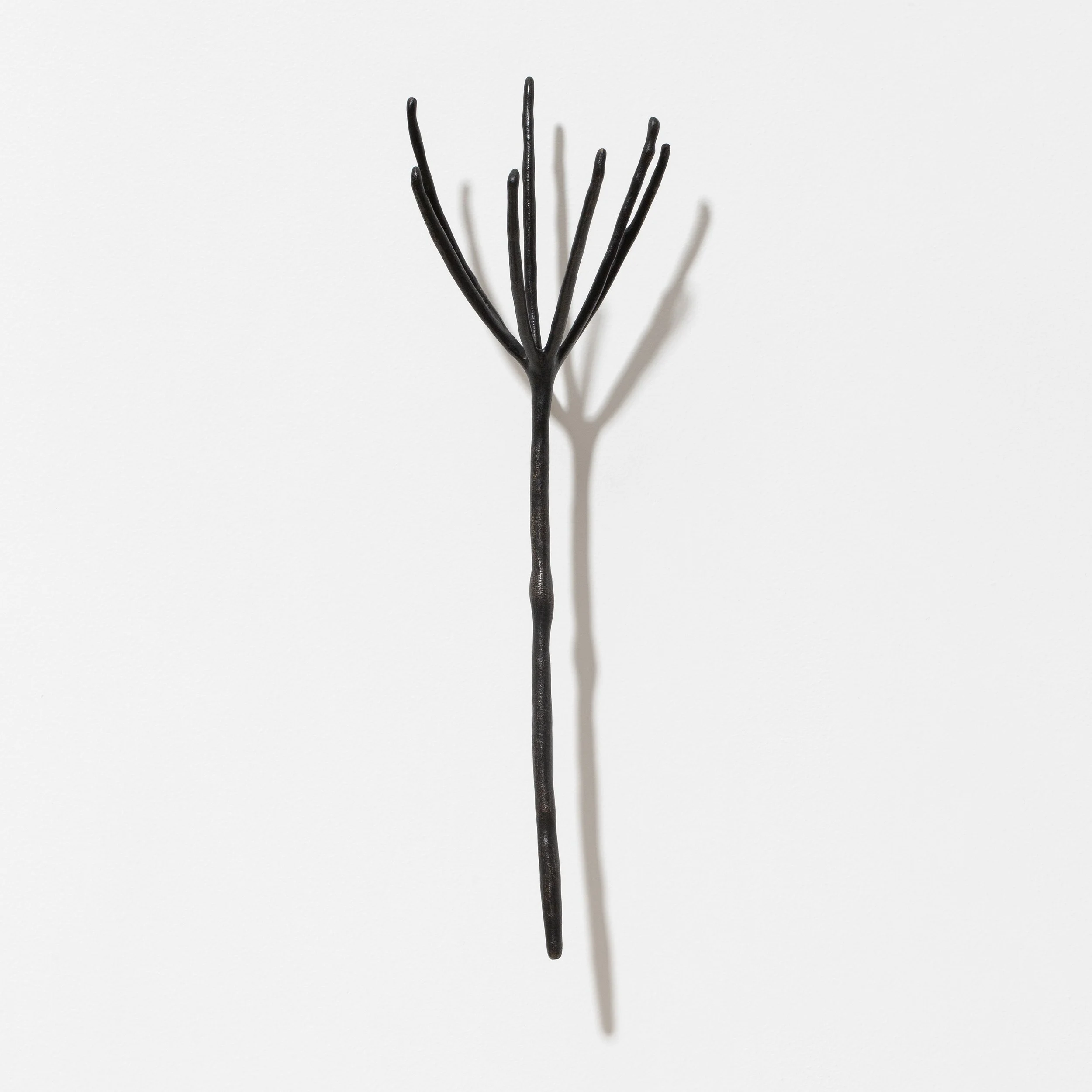
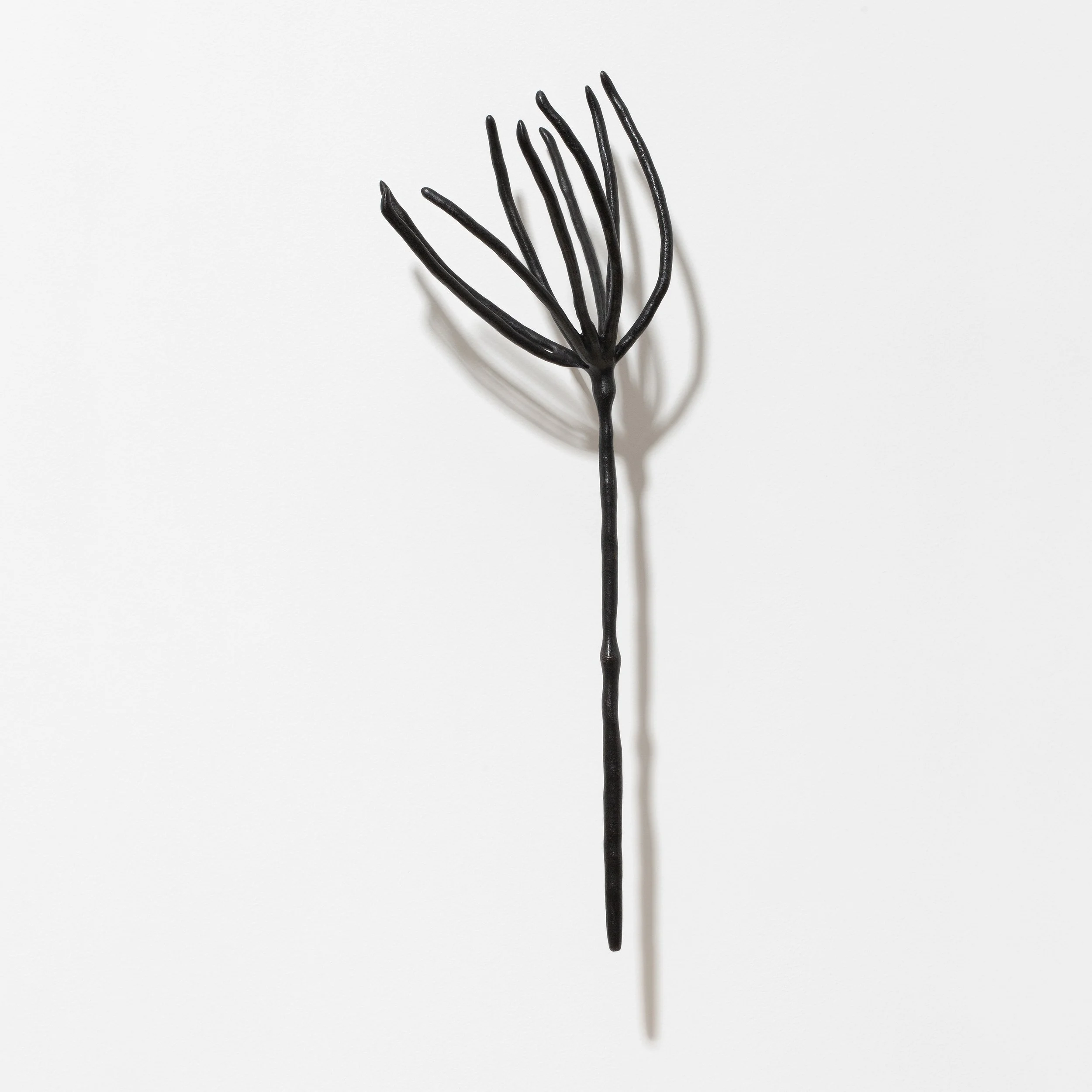
Held (1 - 11), 2026, bronze, various dimensions (smallest 24 × 6.5 × 7 cm, largest 31 × 10 × 11 cm)
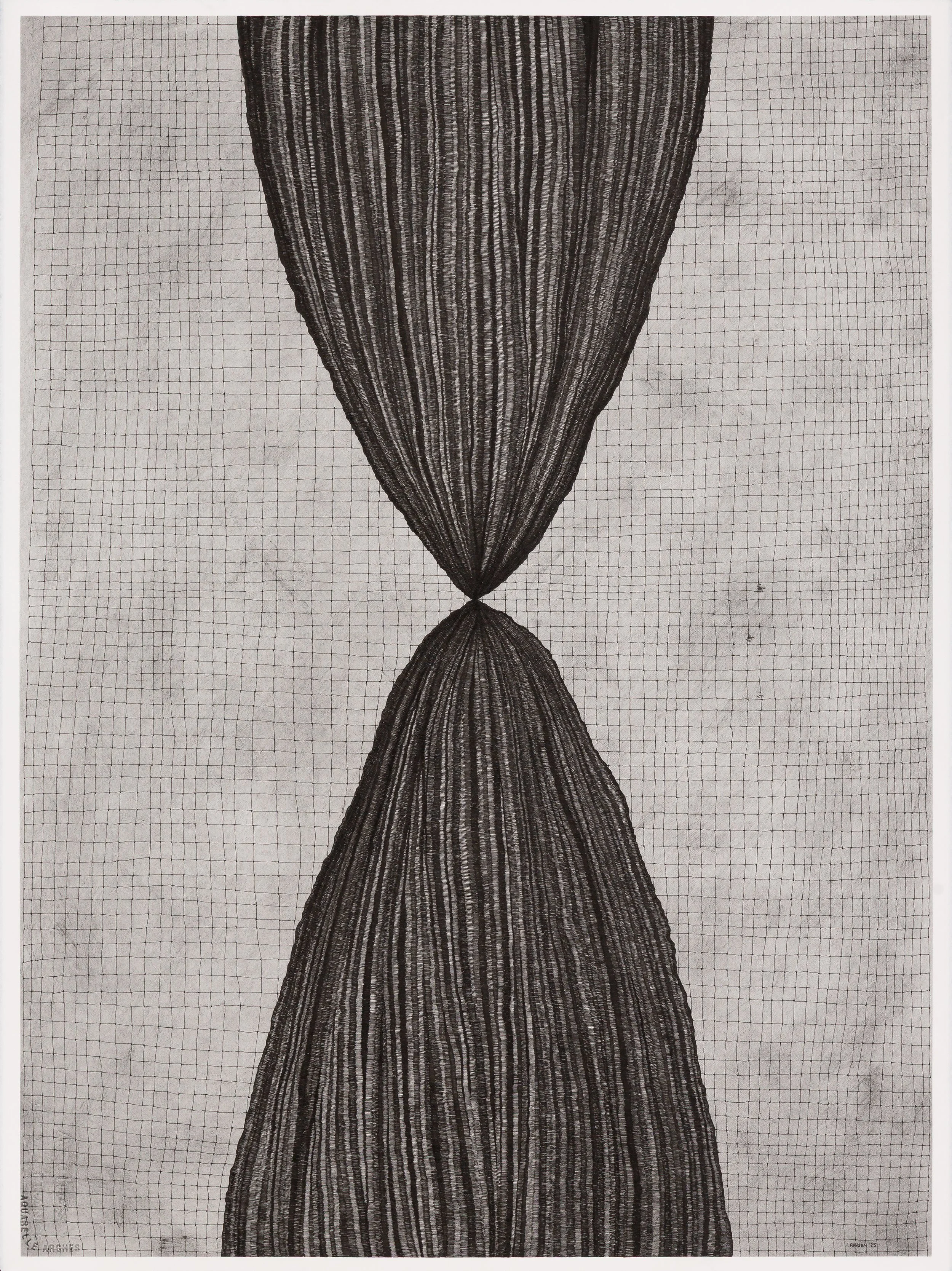
Rest, 2025, Pigma Micron pen and black Indian ink on 300gsm Arches watercolour paper, 91cm x 72cm, framed

Settle, 2026, relief wood carving, 31.8cm x 42.1cm, framed in Tasmanian oak

Linger, 2026, relief wood carving, 32cm x 42.1cm, framed in Tasmanian oak

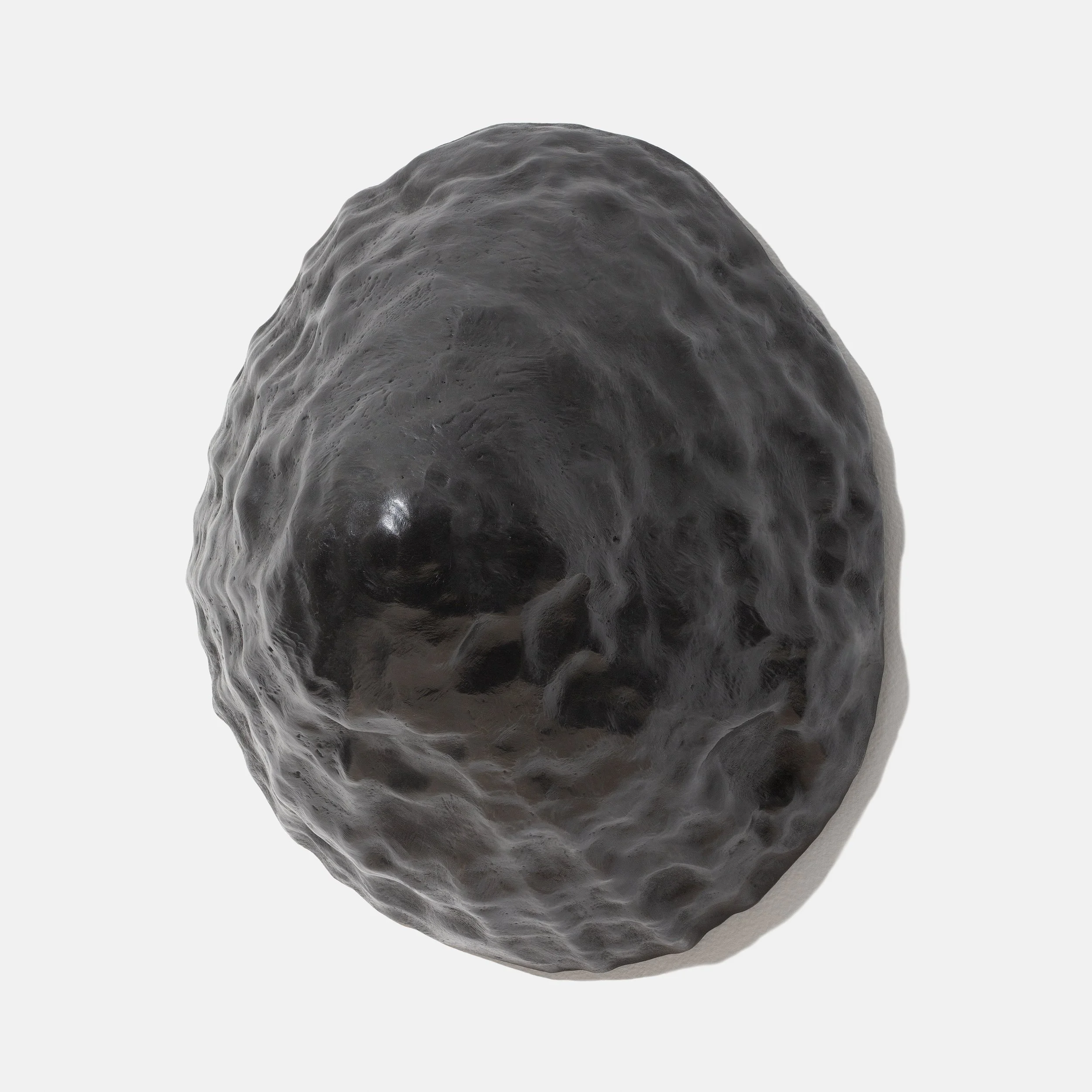


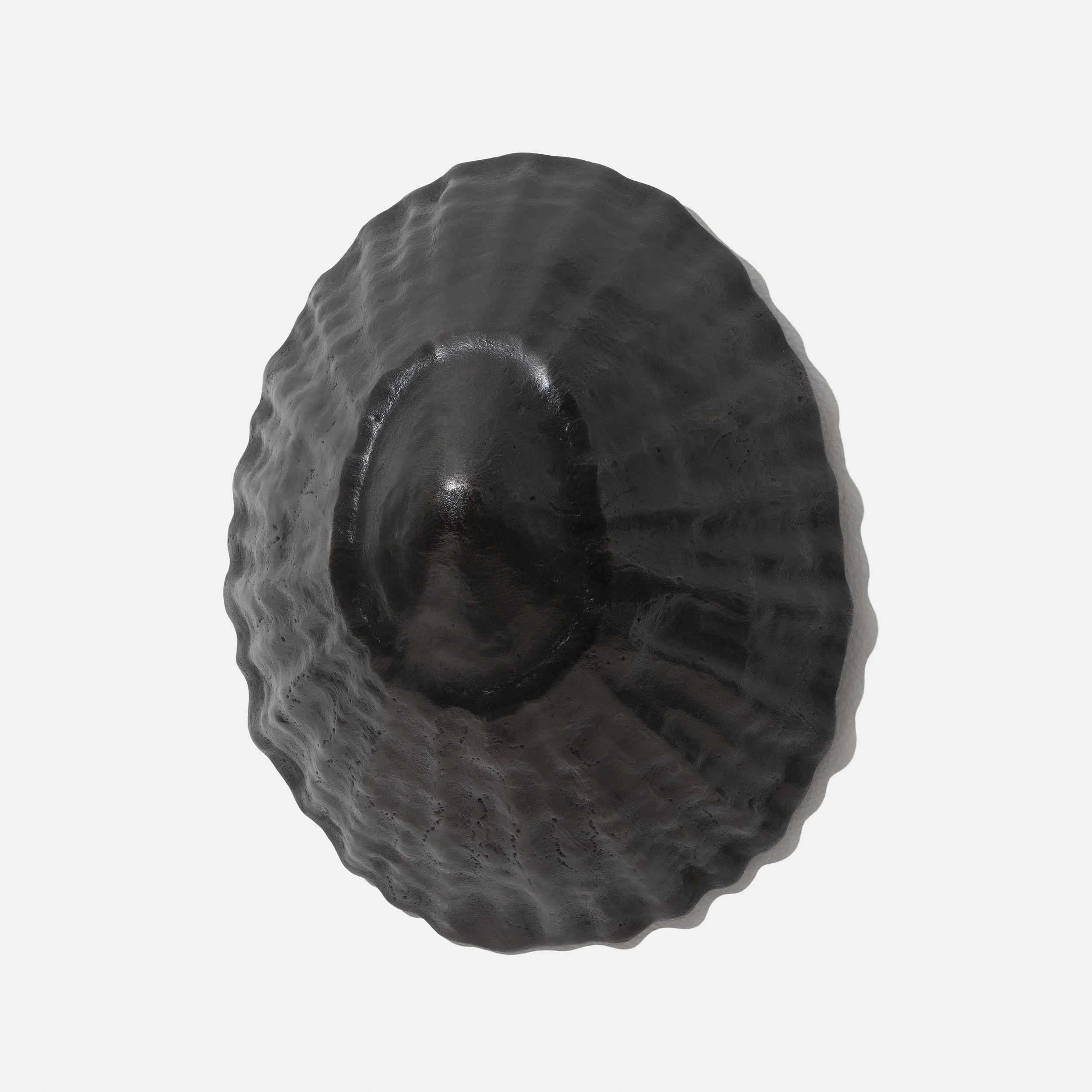

Anchored (1 - 6), 2026, bronze, various dimensions (smallest 14.5 × 11.7 × 6.2 cm, largest 18.2 × 15 × 10.7 cm)

Suspended (1), 2026, Pigma Micron pen and black Indian ink on 300gsm Arches watercolour paper, 91cm x 71.5cm, framed

Suspended (2), 2026, Pigma Micron pen and black Indian ink on 300gsm Arches watercolour paper, 91cm x 71.5cm, framed
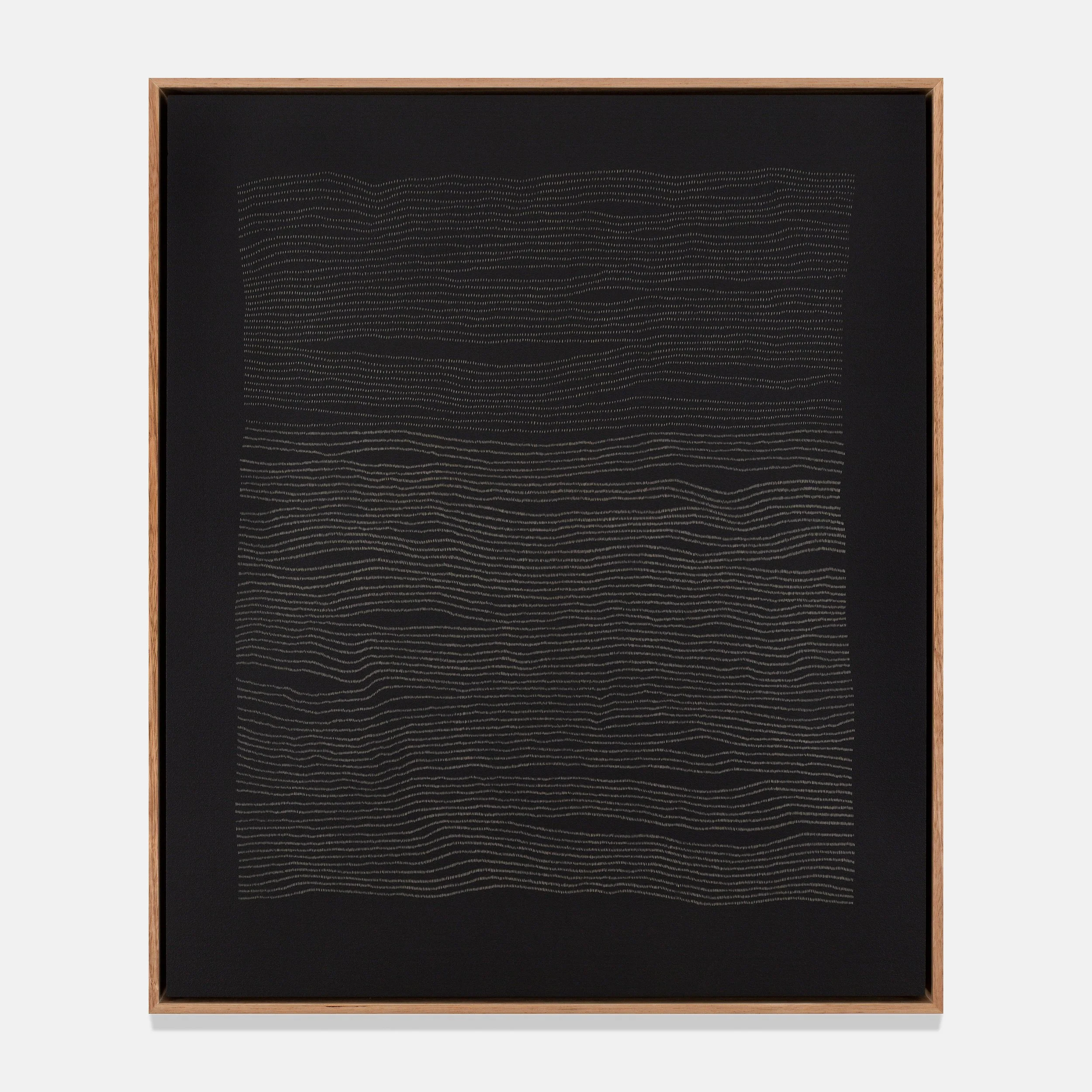
Fade, 2026, relief wood carving, 62.4cm x 52.5cm, framed in Tasmanian oak

Veil, 2026, relief wood carving, 62.4cm x 52.4cm, framed in Tasmanian oak